Archives
- 2018-07
- 2019-04
- 2019-05
- 2019-06
- 2019-07
- 2019-08
- 2019-09
- 2019-10
- 2019-11
- 2019-12
- 2020-01
- 2020-02
- 2020-03
- 2020-04
- 2020-05
- 2020-06
- 2020-07
- 2020-08
- 2020-09
- 2020-10
- 2020-11
- 2020-12
- 2021-01
- 2021-02
- 2021-03
- 2021-04
- 2021-05
- 2021-06
- 2021-07
- 2021-08
- 2021-09
- 2021-10
- 2021-11
- 2021-12
- 2022-01
- 2022-02
- 2022-03
- 2022-04
- 2022-05
- 2022-06
- 2022-07
- 2022-08
- 2022-09
- 2022-10
- 2022-11
- 2022-12
- 2023-01
- 2023-02
- 2023-03
- 2023-04
- 2023-05
- 2023-06
- 2023-07
- 2023-08
- 2023-09
- 2023-10
- 2023-11
- 2023-12
- 2024-01
- 2024-02
- 2024-03
- 2024-04
- 2024-05
-
br Adenosine and tumor microenvironment In the majority
2024-05-16
Adenosine and tumor microenvironment In the majority of carcinogenic processes a proinflammatory state is generated [36], [37]. In addition, a tumor hypoxic environment is generally due to inadequate perfusion of oxygen to the tumor [38]. Immunomodulators are molecules that regulate the immune r
-
AdK as an important upstream regulator of adenosine
2024-05-15

AdK as an important upstream regulator of adenosine-based homeostasis represents a promising drug target since it leads to an increase in adenosine concentrations. Taking into account that the adenosine formation is only increased in affected tissues under stress with high adenosine levels, AdK inhi
-
Introduction br This paper is a commentary
2024-05-15
Introduction This paper is a commentary on the history of language among the Aché. What was language for the Aché prior to contact with Paraguayan society? How has the Aché language come to be endangered? Why is language such an important issue today? In exploring these questions I come to a slig
-
The acetylcholinesterase AChE inhibitor tacrine THA exerts
2024-05-15
The acetylcholinesterase (AChE) inhibitor, tacrine (THA), exerts neuroprotective effects in time- and does-dependent manners against glutamate neurotoxicity (Takada-Takatori et al., 2006a, 2006b) and amyloid-β protein toxicity in PC12, a pheochromocytoma line (Wang et al., 2002; Xiao et al., 2000).
-
br Conclusion To conclude it would be fair
2024-05-15

Conclusion To conclude, it would be fair to say that the research efforts on FLAP inhibitors for intervening with LT biosynthesis have reached to a considerably advanced state during the last decade as a result of growing interest from both pharmaceutical industry and academia [4], [37], [38]. Du
-
br Experimental procedure br Introduction Migraine
2024-05-15
Experimental procedure Introduction Migraine is a debilitating neurovascular disorder characterized by recurring unilateral pulsating headaches of moderate to severe intensity, associated with nausea, photophobia and/or phonophobia, lasting from 4 to 72 h (Headache Classification Committee of
-
Andarine Phosphoinositide kinase PI K Akt has been well
2024-05-15
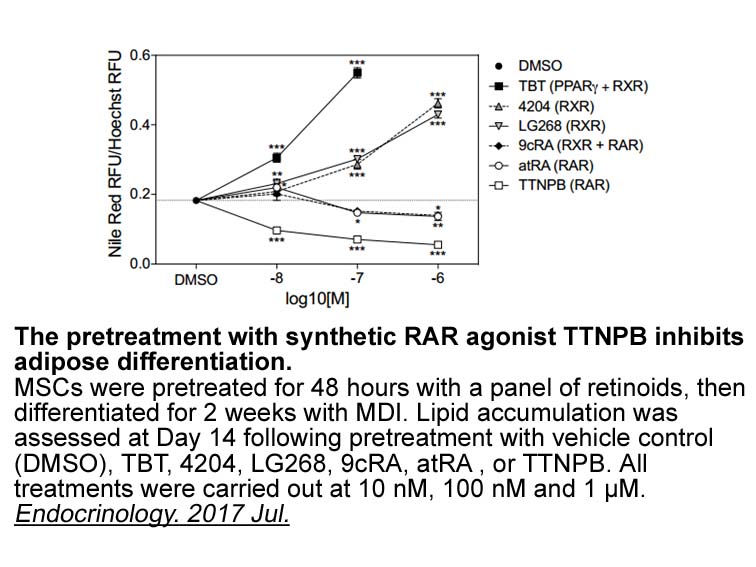
Phosphoinositide 3-kinase (PI3K)/Akt has been well demonstrated in the protection of myocardial cell against IR injury via increasing cardiomyocyte survival, inhibiting excessive autophagy, et al. (Kong et al., 2016). The Andarine of ERK1/2 also involves in the regulation of cardiac myocyte surviva
-
The relative stereochemistry of both the
2024-05-15
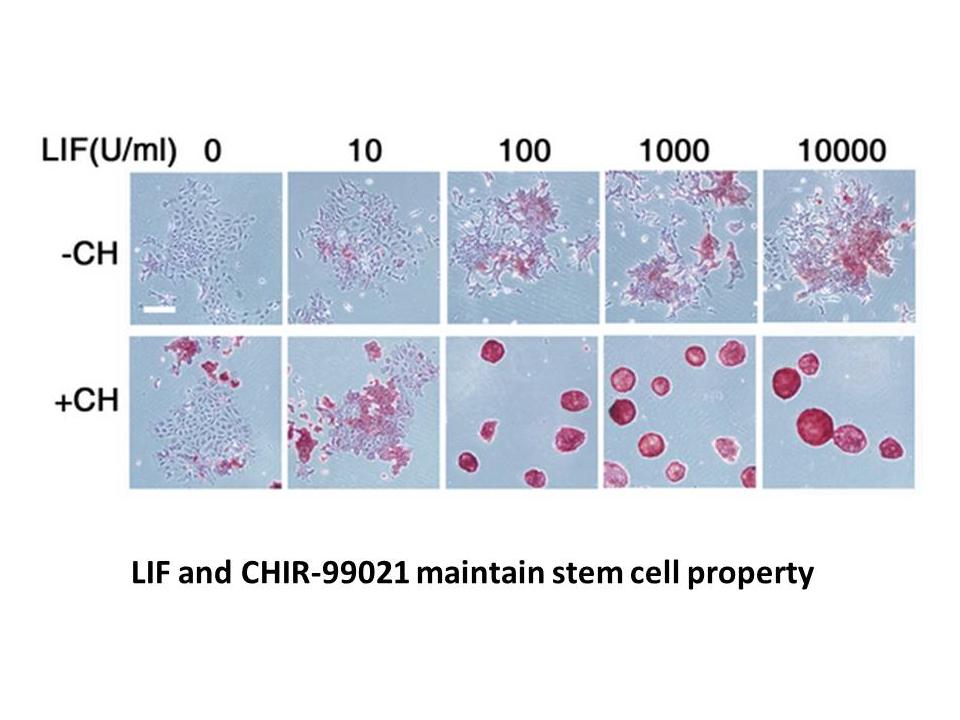
The relative stereochemistry of both the major and minor diastereoisomer of (±)-2-(hydroxymethyl)blebbistatin (±)- (and thus (±)-2-(allyloxymethyl)blebbistatin (±)-) was determined with 1D-NOESY experiments (), as crystallization efforts failed. These experiments revealed an interaction between H an
-
iso 1 mg Oocytes from the African clawed frog
2024-05-15

Oocytes from the African clawed frog Xenopus laevis have been widely used as an expression system to study the modulation of NMDA receptors by metabotropic receptors, such as metabotropic glutamate receptors [12], μ opioid receptors [13], insulin receptors [14] and serotonin receptors [15]. No data
-
Niflumic acid Several MAP kinases are involved in the signal
2024-05-15
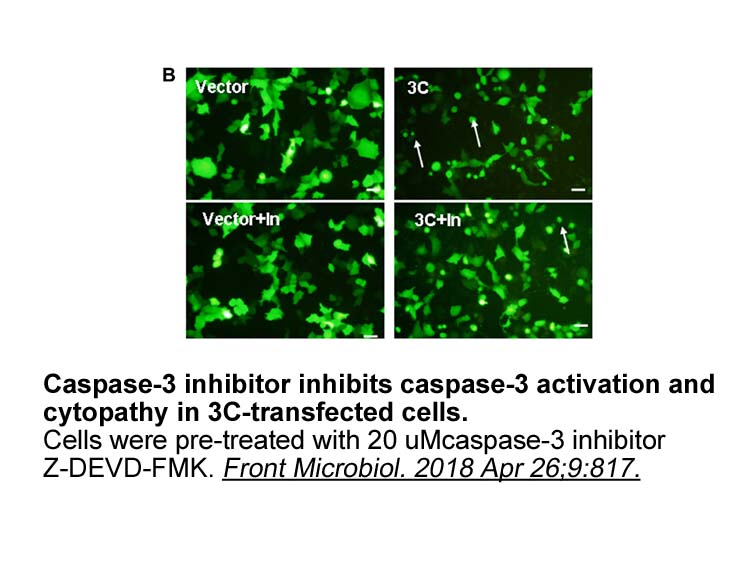
Several MAP kinases are involved in the signal transduction pathways that lead to the upregulations of inflammatory mediators. Moreover, transcriptional activations of STATs are regulated by MAP kinases, as evidenced by reports that p38 MAPK is necessary for the S727 phosphorylation of STATs (Kovari
-
In glucose stimulated pancreatic cells B Raf activity is
2024-05-15
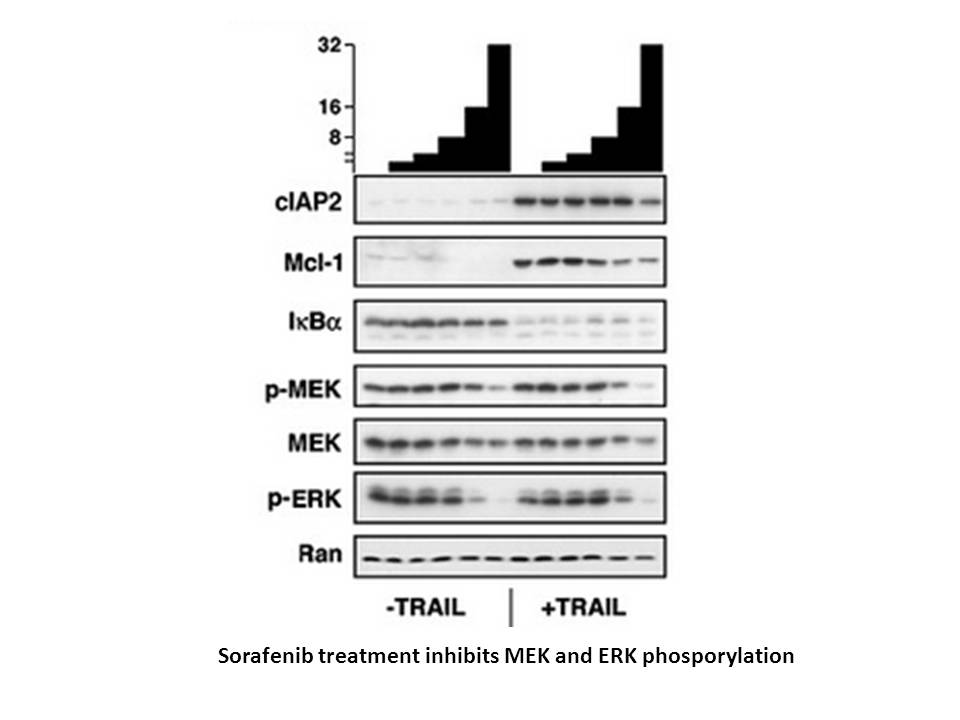
In glucose-stimulated pancreatic β-cells, B-Raf activity is increased, while Raf-1 activity is under the detection limit (Duan and Cobb, 2010). Thus, B-Raf is the primary protein kinase involved in the rapid activation of ERK1/2 in glucose-treated pancreatic β-cells. Expression of a dominant-negativ
-
Sustained release property is also associated with side effe
2024-05-15
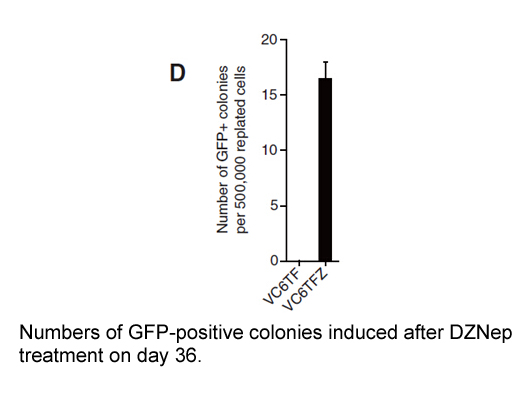
Sustained release property is also associated with side effects reduction [16] that could be confirmed by histopathological analyzes. Massive infiltrating inflammatory cells, hyperproliferation of skin layers and keratin pearls, caused by DMBA and croton oil application [32] are attenuated in Imq-lo
-
Incubation of the aortic segments of rats with indomethacin
2024-05-15
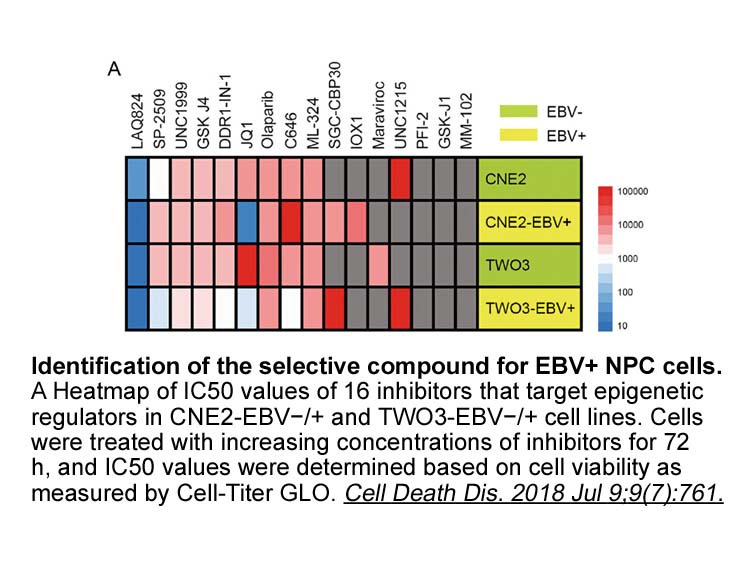
Incubation of the aortic segments of rats with indomethacin significantly decreased the vasoconstrictor response to Phe but only in HgCl2-treated group (Fig. 9A,B), as indicated by dAUC values (Fig. 9E). Co-treatment with losartan once again proved to be effective and prevented the increased partici
-
The fat body is one of
2024-05-14
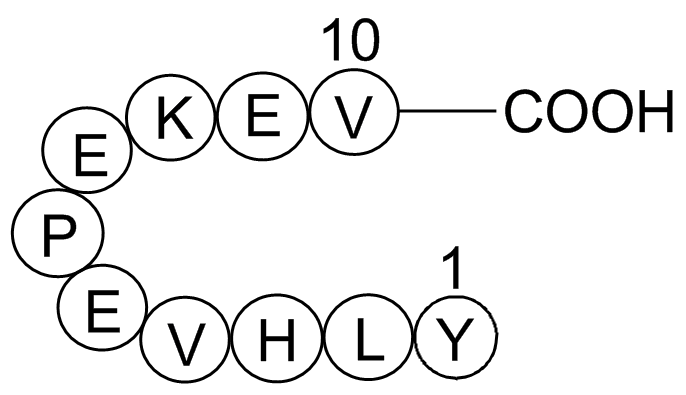
The fat body is one of the largest tissues of Bombyx mori, with components including fat, glycogen, protein and vitamins. The fat body exhibits important physiological functions, not only storing a large number of nutrients but also serving as an important site of biosynthesis and metabolism (Arrese
-
stavudine synthesis br Endocytosis of AdipoR Surface recepto
2024-05-14
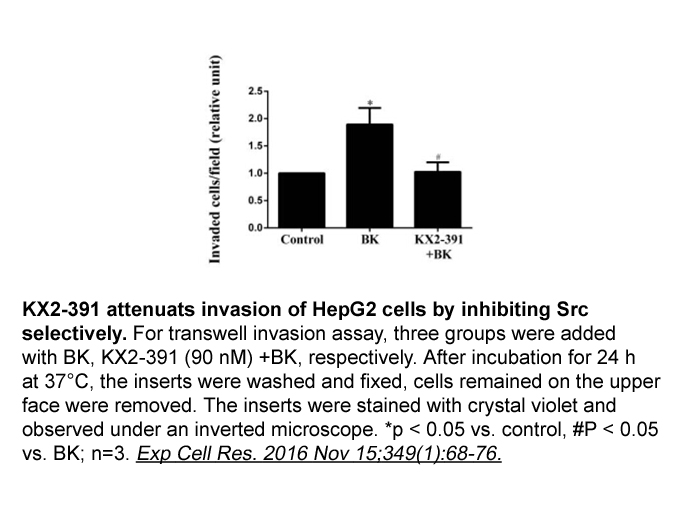
Endocytosis of AdipoR1 Surface receptor activity may be shut down by endocytic uptake and subsequent lysosomal degradation of the proteins [20]. Clathrin-dependent endocytosis (CDE) has been extensively studied and internalization from the plasma membrane is mediated through clathrin-coated pits