Archives
- 2026-10
- 2026-09
- 2026-08
- 2026-07
- 2026-06
- 2026-05
- 2026-04
- 2026-03
- 2026-02
- 2026-01
- 2025-12
- 2025-11
- 2025-10
- 2025-09
- 2025-03
- 2025-02
- 2025-01
- 2024-12
- 2024-11
- 2024-10
- 2024-09
- 2024-08
- 2024-07
- 2024-06
- 2024-05
- 2024-04
- 2024-03
- 2024-02
- 2024-01
- 2023-12
- 2023-11
- 2023-10
- 2023-09
- 2023-08
- 2023-07
- 2023-06
- 2023-05
- 2023-04
- 2023-03
- 2023-02
- 2023-01
- 2022-12
- 2022-11
- 2022-10
- 2022-09
- 2022-08
- 2022-07
- 2022-06
- 2022-05
- 2022-04
- 2022-03
- 2022-02
- 2022-01
-
br Conclusion P gingivalis expresses various exopeptidases i
2024-11-26
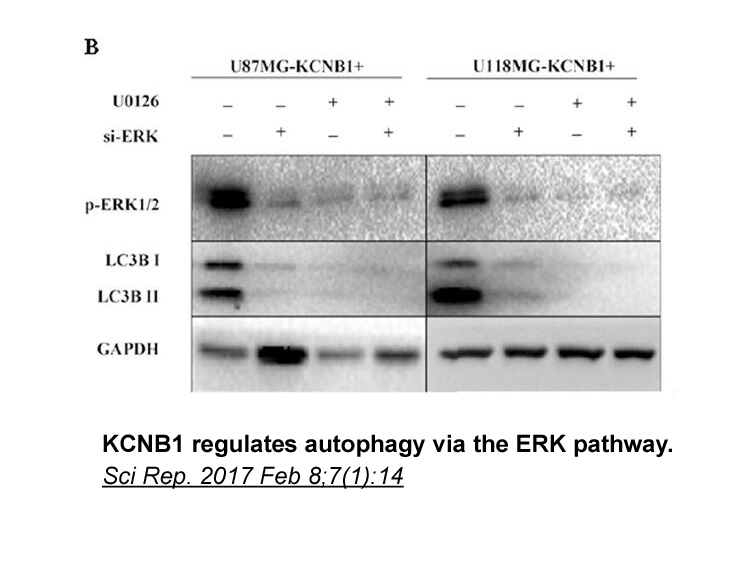
Conclusion P. gingivalis expresses various exopeptidases, i.e., DPP4, DPP5, DPP7, DPP11, PtpA, and AOP, in periplasmic space, which produce di- and tri-peptides from most oligopeptides. This oligopeptide processing step is important as an extracellular event in the Fmoc-Cys(Trt)-ol of asaccharoly
-
Differentiation of skeletal myoblasts is a tightly orchestra
2024-11-26

Differentiation of skeletal myoblasts is a tightly orchestrated process that involves myoblast proliferation, e1 ubiquitin withdrawal, expression of muscle-specific genes, and fusion into multinucleated myofibers (Horsley and Pavlath, 2004; Krauss, 2010). The maintenance of muscle mass is important
-
COPD is almost unheard of
2024-11-26
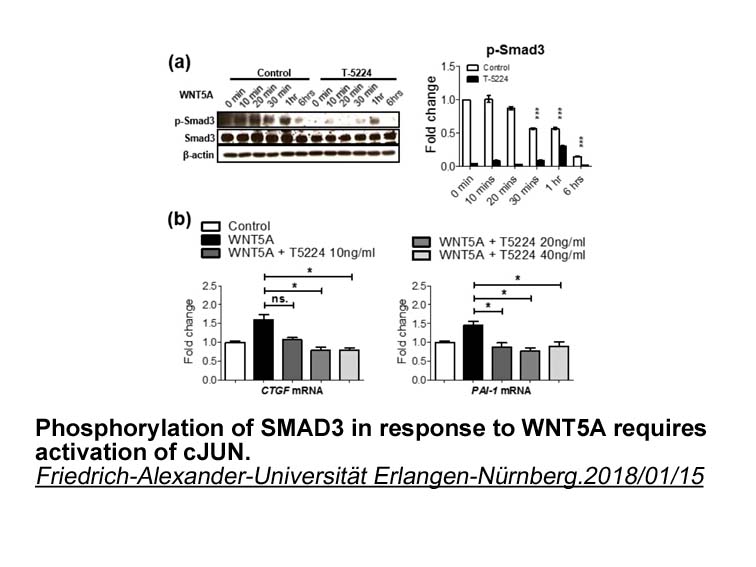
COPD is almost unheard of in individuals less than 40 years of age (even among heavy smokers), 1 in 10 lifetime never-smokers and 1 in 3 develop COPD by age 75 [26], unquestionably, COPD is an age-related disorder. This notion of accelerated ageing of COPD is supported by animal models, which demons
-
transketolase Mass spectrometry MS analysis and selective en
2024-11-26
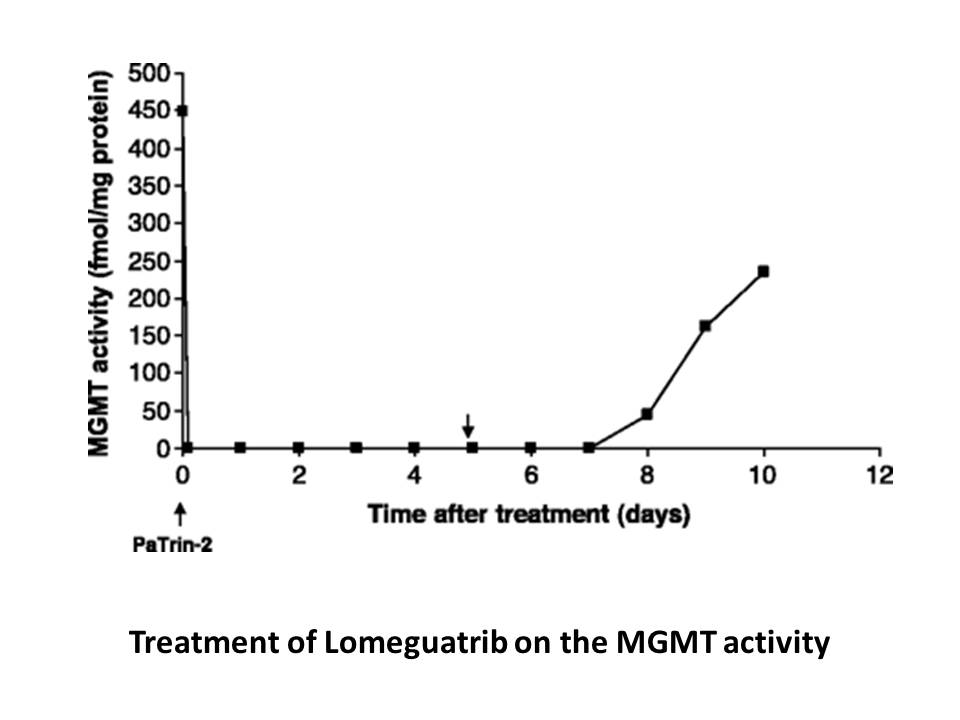
Mass spectrometry (MS) analysis and selective enrichment methods of phosphorylated proteins are powerful tools that can help address these challenges. Recent advances in MS have made it possible to analyze signaling pathways by facilitating high-throughput identification of phosphorylation sites wit
-
br Endoplasmic reticulum protein ERp binds
2024-11-26
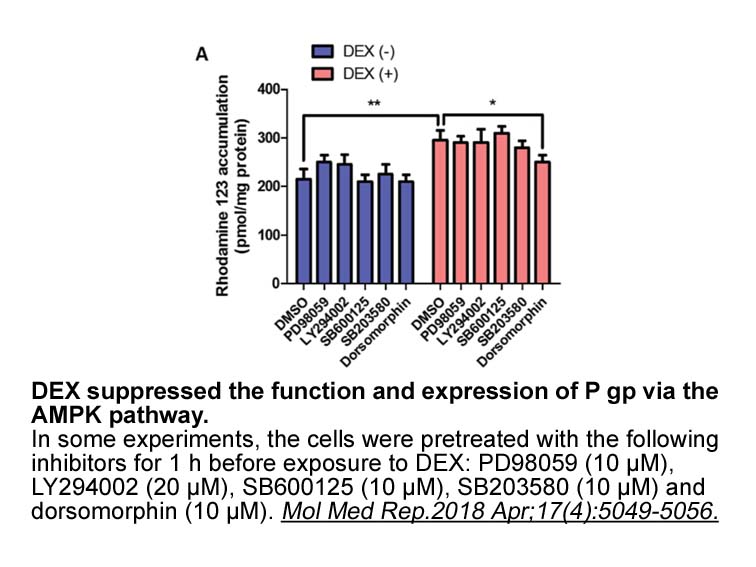
Endoplasmic reticulum protein 46 (ERp46) binds to AdipoR1 in HeLa cells ERp46 is localized in the ER and is suggested to act as a chaperone. About 20% of endogenous ERp46 are found at the plasma membrane suggesting that this protein may have additional functions. ERp46 interacts with rock pathway
-
In fact serotonin is a major modulator of dopaminergic DA
2024-11-26
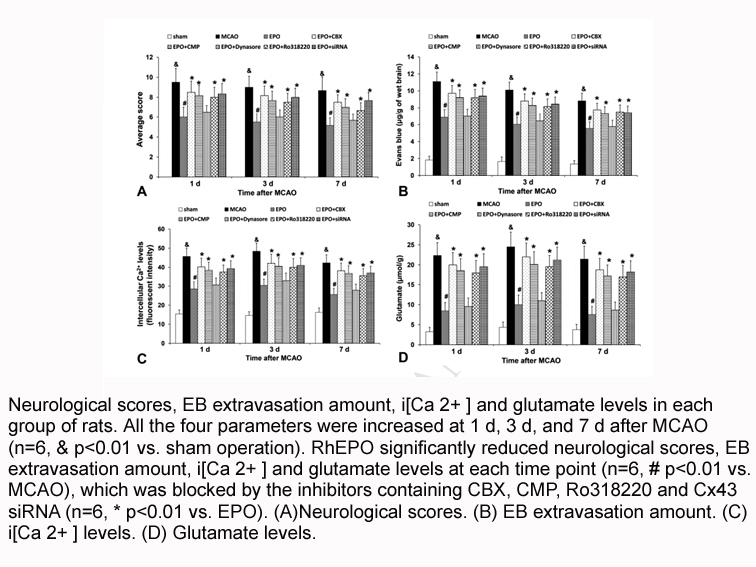
In fact, serotonin is a major modulator of dopaminergic (DA) neuronal activity through the 5-HT2C receptor. Studies have shown that the selective 5-HT2C receptor agonist Ro60-0175 blocks the burst-firing of mesolimbic DA neurons, which project from the ventral tegmental area (VTA) to the nucleus acc
-
EG00229 To investigate further the clinical and mutational s
2024-11-26
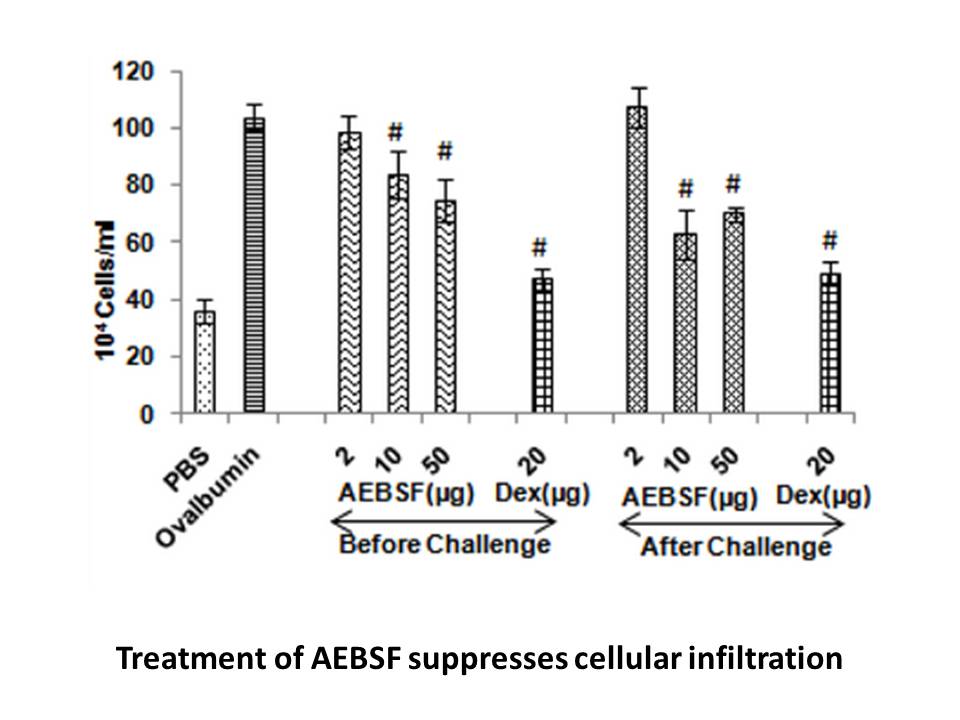
To investigate further the clinical and mutational spectrum associated with -related dyskinesia, we here performed a screen in a large series of patients affected with an unexplained hyperkinetic movement disorder, resulting in the identification of 2 pediatric patients presenting with a novel pheno
-
Similarly Dilma et al tried
2024-11-26
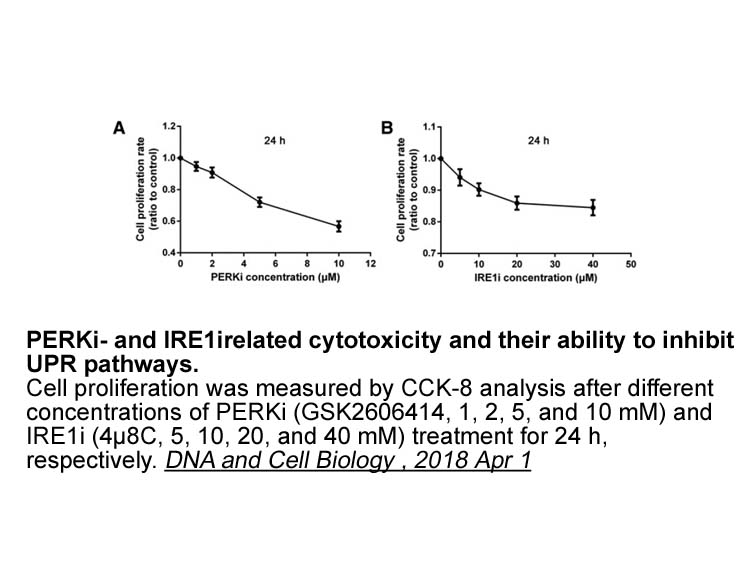
Similarly Dilmaç et al. [16] tried to assess the diagnostic value of adenosine deaminase activity in sputum of patients with pulmonary tuberculosis, their aim was to determine and compare sputum ADA activity in pulmonary tuberculosis, lung cancer and chronic obstructive pulmonary disease (COPD) pati
-
Tension within the network could be explained by two potenti
2024-11-26
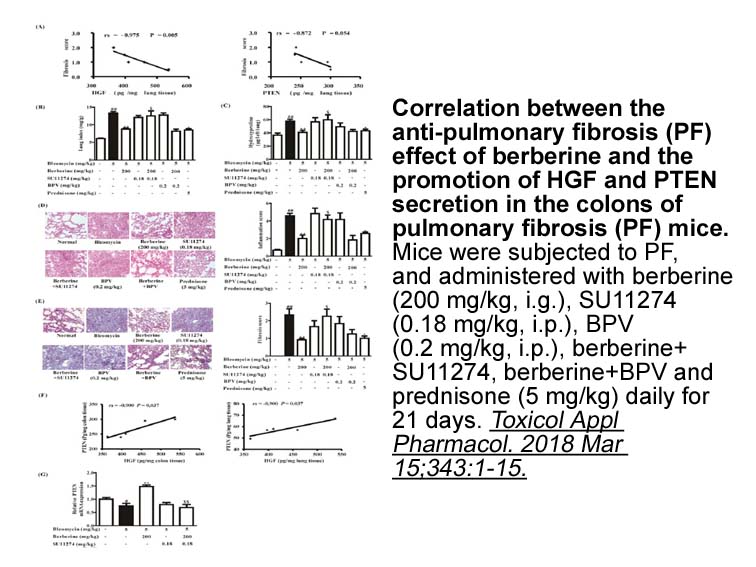
Tension within the network could be explained by two potential mechanisms: the more classical contractility that is dependent on motor proteins that are pulling enolase filaments towards each other [10]; or contractility that is caused by disassembly of a crosslinked network of actin filaments [2].
-
bibf Since pyrrolopyrimidine dithiolanes and both displayed
2024-11-26

Since pyrrolopyrimidine dithiolanes and both displayed particularly excellent levels of ACK1 inhibition, these analogs were viewed as potential candidates for further investigation in tumor xenograft experiments. While in vitro metabolic studies indicated that pyrrolidine was predicted to be sign
-
Anti LT therapy by LO inhibition has been hampered
2024-11-26
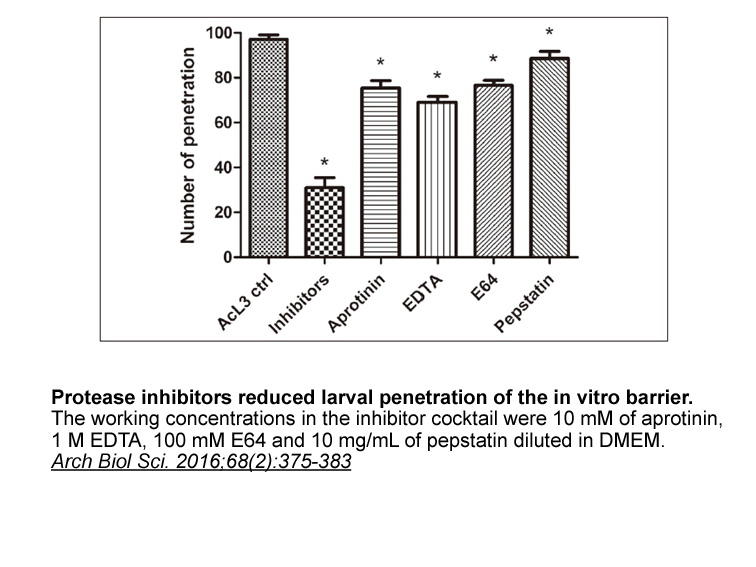
Anti-LT therapy by 5-LO inhibition has been hampered by occurring liver toxicities by Zileuton or the clinical phase II compound Atreleuton [36], [37] However both compounds possess a thiophene as well as an N-hydroxyurea moiety. These features could be linked with reactive thiophene intermediates [
-
The c C T mutation
2024-11-26
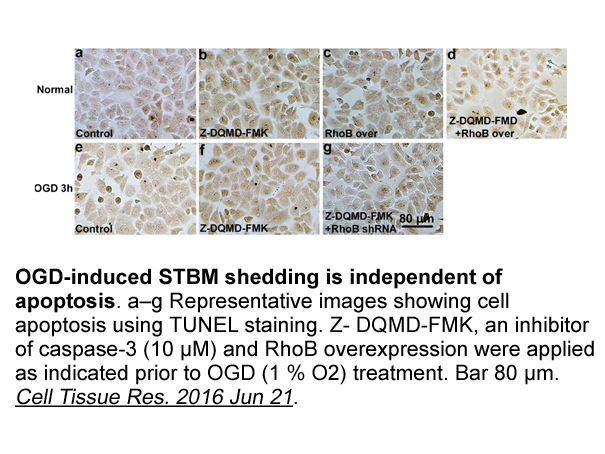
The c.286C>T mutation identified in subject K20-1 was also reported in other ethnic groups, including Brazilian, French-Canadian, Italian, and Arabs from the United Arab Emirates [20], [21], [22], whereas c.318A>G mutation in subjects K10-1 was previously reported in Asian and Caucasians [13], [23],
-
Introduction The first use of the
2024-11-26
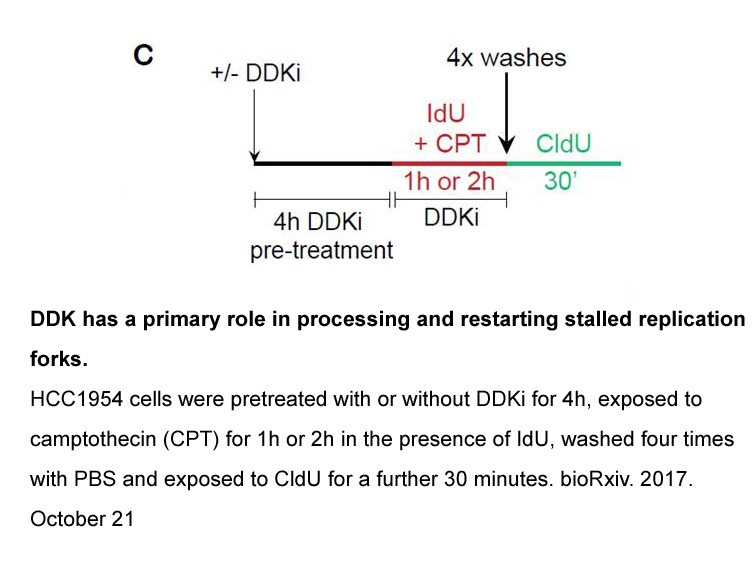
Introduction The first use of the term “autophagy” by a French physiologist, M. Anselmier, in a short article describing the effects of fasting in mice published in 1859, took place almost a century before Christian De Duve described it from a mechanistic point of view in a symposium on lysosomes i
-
According to the diversity in molecular skeletons aromatase
2024-11-25
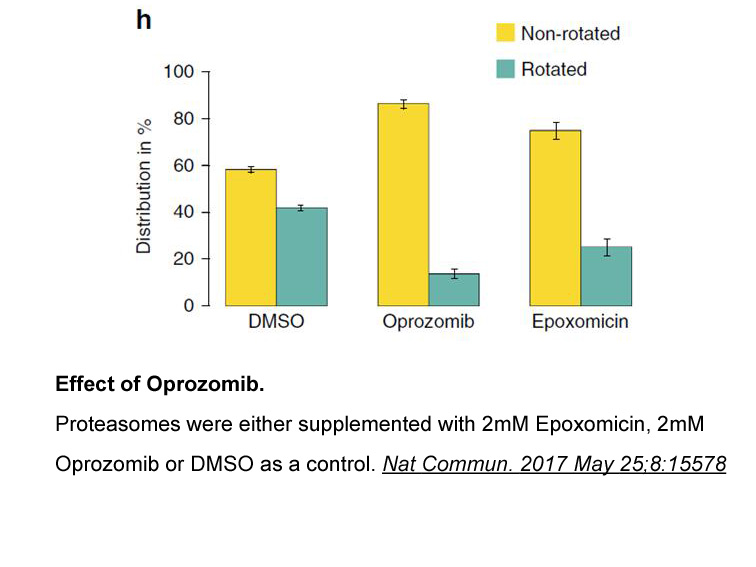
According to the nicotinic receptors in molecular skeletons, aromatase inhibitors can be categorized into two types: steroidal and non-steroidal blockers [6]. Steroidal AI (e.g., exemestane in Fig. 1) derived from the substrate androstenedione interacts with aromatase through chemical actions, resu
-
br Experimental procedures br Results br Discussion Major
2024-11-25
Experimental procedures Results Discussion Major depressive disorder is among the leading causes of disability worldwide (Vos et al., 2015). One of the major causal or exacerbating factors of depression is long term stress or psychological trauma (Liu and Alloy, 2010). Dysregulation of the
8400 records 81/560 page Previous Next First page 上5页 8182838485 下5页 Last page