Archives
- 2026-06
- 2026-05
- 2026-04
- 2026-03
- 2026-02
- 2026-01
- 2025-12
- 2025-11
- 2025-10
- 2025-09
- 2025-03
- 2025-02
- 2025-01
- 2024-12
- 2024-11
- 2024-10
- 2024-09
- 2024-08
- 2024-07
- 2024-06
- 2024-05
- 2024-04
- 2024-03
- 2024-02
- 2024-01
- 2023-12
- 2023-11
- 2023-10
- 2023-09
- 2023-08
- 2023-07
- 2023-06
- 2023-05
- 2023-04
- 2023-03
- 2023-02
- 2023-01
- 2022-12
- 2022-11
- 2022-10
- 2022-09
- 2022-08
- 2022-07
- 2022-06
- 2022-05
- 2022-04
- 2022-03
- 2022-02
- 2022-01
- 2021-12
- 2021-11
- 2021-10
- 2021-09
- 2021-08
- 2021-07
- 2021-06
- 2021-05
- 2021-04
- 2021-03
- 2021-02
- 2021-01
- 2020-12
- 2020-11
- 2020-10
- 2020-09
- 2020-08
- 2020-07
- 2020-06
- 2020-05
- 2020-04
- 2020-03
- 2020-02
- 2020-01
- 2019-12
- 2019-11
- 2019-10
- 2019-09
- 2019-08
- 2019-07
- 2019-06
- 2019-05
- 2019-04
- 2018-07
-
Quantum walks can be connected to extended
2021-02-25
Quantum walks can be connected to extended CMV matrices as follows. If all Verblunsky coefficients with even index vanish, then the extended CMV matrix becomes which resembles the matrix representation U. One may notice, however, that in the extended CMV matrix , whereas in the quantum walk matri
-
Our module is designed to
2021-02-25
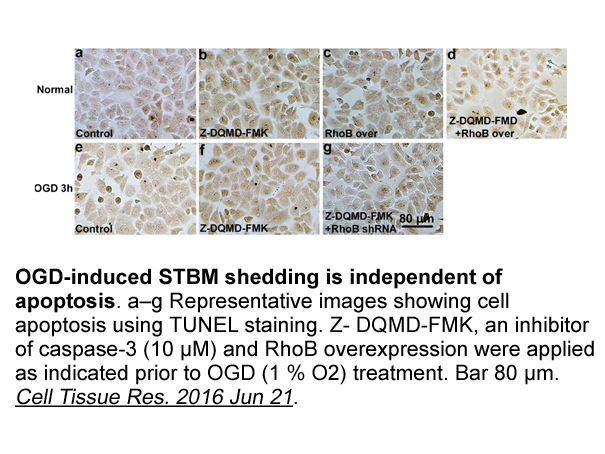
Our module is designed to allow in-process measurement of [C]-tracer molar activity (MA, GBq/μmol at EOB) using a Azacyclonol detector with a UV detector at the outlet of the HPLC-portion of the system. In the HPLC chromatogram, peak analysis of the chromatographic data utilized PeakSimple software
-
In contrast to AChE BuChE Table exhibited a measurable time
2021-02-25
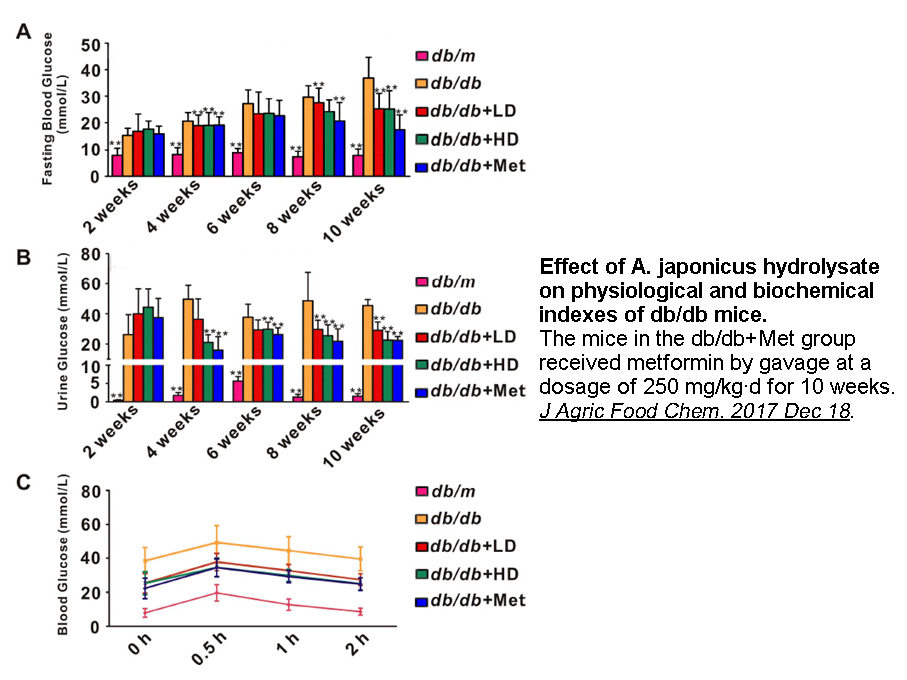
In contrast to AChE, BuChE (Table 2) exhibited a measurable time-dependent inactivation only with cyclosporin 2 among the four acetophenones in this study. Values of Ki obtained from steady-state inhibition of BuChE by all four acetophenones were, as noted in the Results, 10- to 200-fold greater (in
-
In some of our studies we examined
2021-02-25
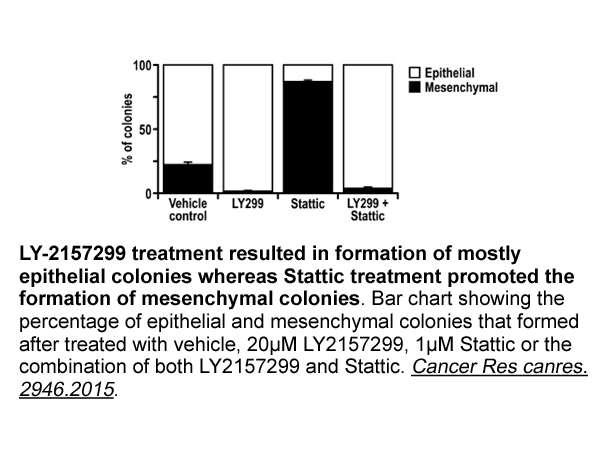
In some of our studies we examined the occurrence of ERβ and SHBG and a possible colocalization between them. Fig. 5 shows that there is no big difference in the occurence of ERβ after short time (A) as well as long time (B) treatment with E2. We can find the receptor at the cell membrane as well as
-
In this study the ASTM
2021-02-25
In this study, the ASTM C1260 and ASTM C1567 test methods were followed to conduct the ASR tests. Three mortar bars were prepared using three types of RHA (600-RHA, 150-RHA, and 44-RHA) and CFA. To prepare the mortar bars, the OPC was replaced by each type of RHA for 10% and 20%, respectively by wei
-
br Activatable optical imaging probes Optical fluorescence i
2021-02-25

Activatable optical imaging probes Optical fluorescence imaging, which directly detects photons emitted from fluorescent probes, has become as a powerful analytical method to study biological processes both in vitro and in vivo. It is characterized by high sensitivity, is free of radioactive irra
-
In this study we have explored a
2021-02-25
In this study we have explored a functional role of the oxysterol/EBI2 system in this process. In 2011 we and others reported the discovery of oxysterols as ligands for EBI2 [6], [7]. Oxysterols are metabolites generated by hydroxylation of cholesterol and have been linked to a variety of fundamenta
-
Oxysterols modulate the immune responses and as such could b
2021-02-25
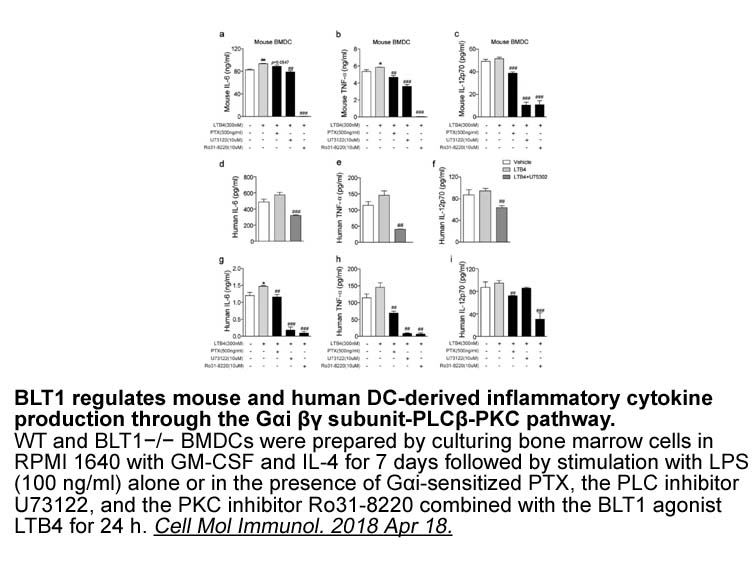
Oxysterols modulate the immune responses and as such could be effectors of the tumor environment: 25-OHC impairs IgA production in B-lymphocytes [26] and induces the secretion of the proinflammatory and angiogenic cytokine IL-8 [27], [28]. Of note, oxysterols (in particular 7α,25-OHC) are potent che
-
The data from the Sur lab have showed DNA PK
2021-02-25
The data from the Sur lab have showed DNA-PK is involved in metabolic gene regulation in response to insulin. DNA-PK regulates fatty 7915 synthesis by modulating the protein expression of fatty acid synthase (FAS) in a feeding-dependent manner. DNA-PK induces the activation of Upstream Stimulatory F
-
Introduction Double strand break DSB
2021-02-25
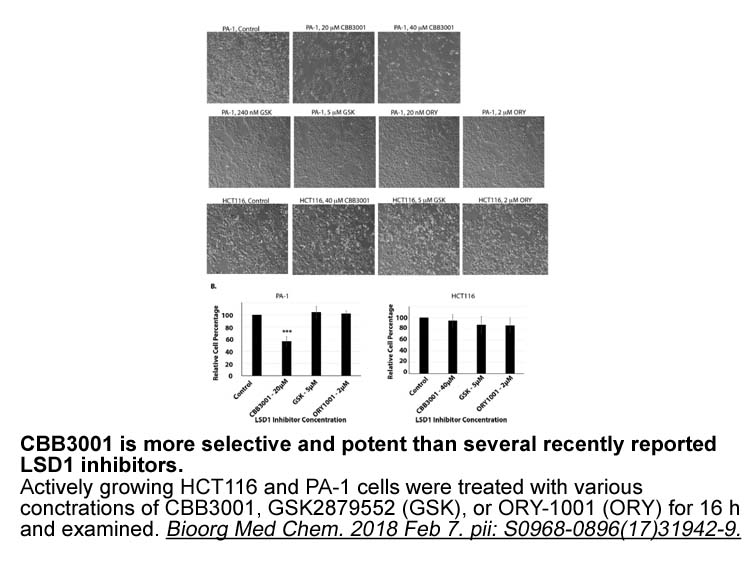
Introduction Double strand break (DSB) is the most deleterious damage that threats DNA integrity. This frequent damage arises from environmental stress like UV, chemical agents or ionizing radiations (IRs). Although environmental stress does not lead directly to DSB, it produces Cinchonidine damag
-
In many studies spatial and temporal expression and subcellu
2021-02-25
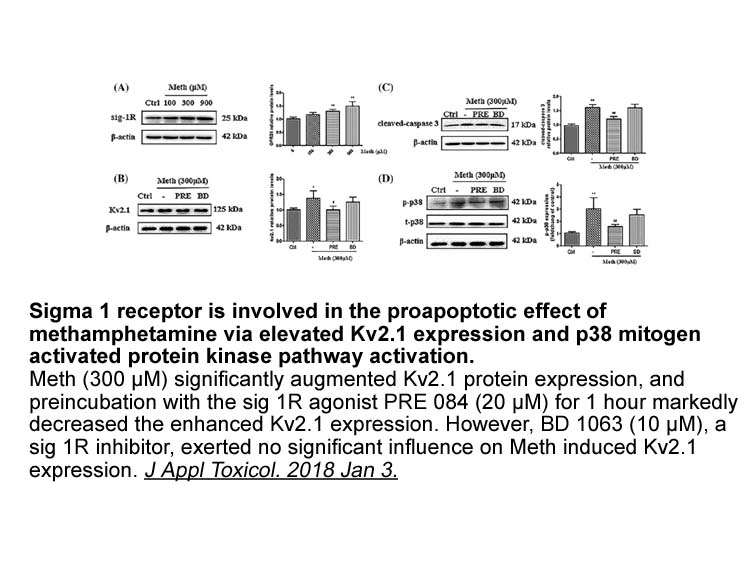
In many studies, spatial and temporal expression and subcellular localizations of the DNMTs are examined in greater detail. These studies are evaluated and discussed in the remaining part of the article. DNMT1 protein expression was characterized in the genital ridge of the primitive mouse gonad at
-
We recently reported that the information about the electron
2021-02-24
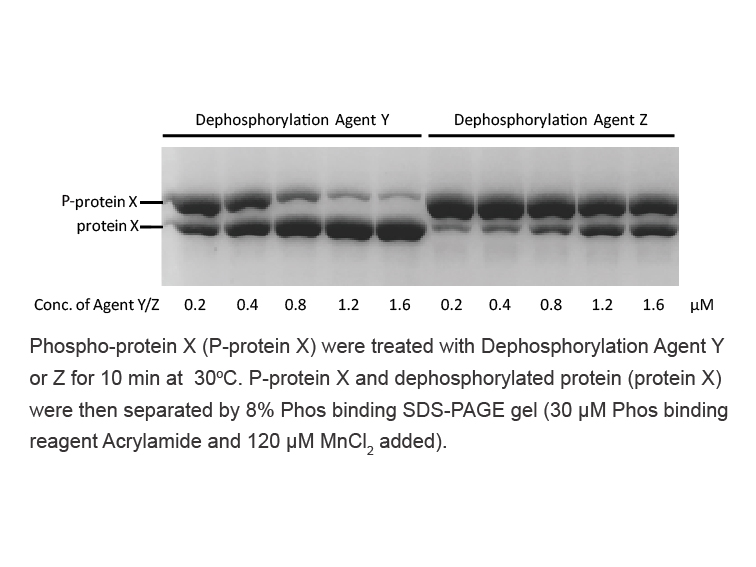
We recently reported that the information about the electronic density obtained from a QTAIM analysis is useful to describe the molecular interactions that stabilize and destabilize the different complexes L-R [13], [14], [15]. Specifically in our previous work reported for DHFR inhibitors, the QTAI
-
Vitamin B12 br Conflict of interest br Acknowledgements This
2021-02-24
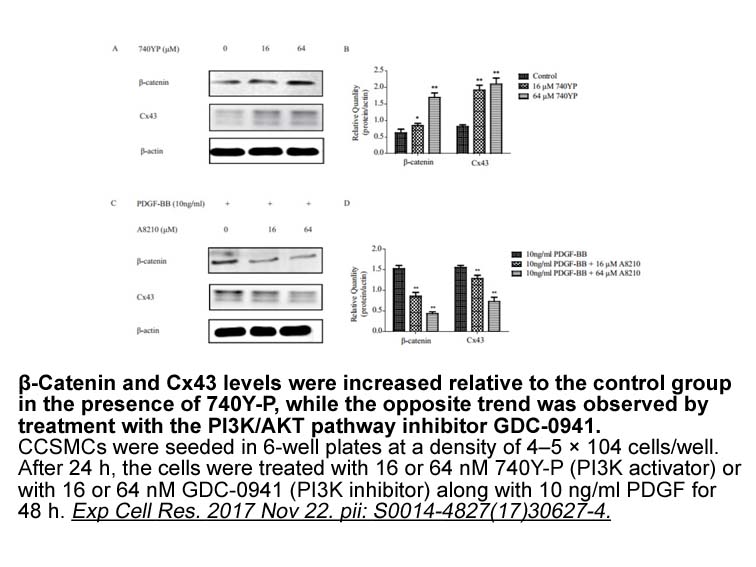
Conflict of interest Acknowledgements This work was supported by the Biotechnology Research Center, China Three Gorges University, Yichang, China (No. 2016KBC05), the National Natural Science Foundation of China (No. 31370600 and 31300508), the Zhejiang Science and Technology Major Program on
-
br Materials and methods br
2021-02-24
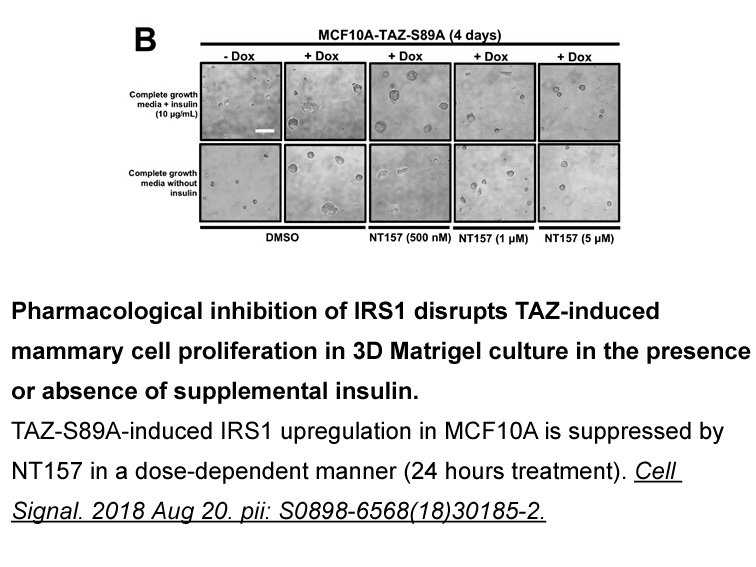
Materials and methods Results and discussion Acknowledgements This study was supported by the Open Project Program of the Key Laboratory of Mariculture & Enhancement of Zhejiang Province (No. 2016KF003), the Key Project of Zhejiang Province (No. 2016C02055-7), and the International Science
-
Kif15-IN-2 Experiment B CP during fear acquisition normalize
2021-02-24
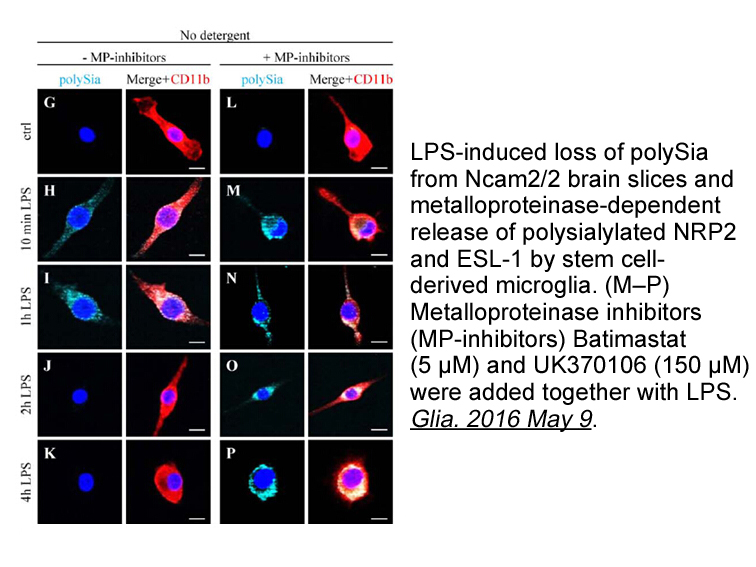
Experiment 4B: CP154,526 during fear acquisition normalizes fear-potentiated startle and prevents exacerbation of contextual conditioned fear in SERT−/− rats. As genotypes differed markedly in basal fear acquisition, drug effects could differ strongly between genotypes. Therefore, all effects in th
16203 records 735/1081 page Previous Next First page 上5页 731732733734735 下5页 Last page