Archives
- 2026-10
- 2026-09
- 2026-08
- 2026-07
- 2026-06
- 2026-05
- 2026-04
- 2026-03
- 2026-02
- 2026-01
- 2025-12
- 2025-11
- 2025-10
- 2025-09
- 2025-03
- 2025-02
- 2025-01
- 2024-12
- 2024-11
- 2024-10
- 2024-09
- 2024-08
- 2024-07
- 2024-06
- 2024-05
- 2024-04
- 2024-03
- 2024-02
- 2024-01
- 2023-12
- 2023-11
- 2023-10
- 2023-09
- 2023-08
- 2023-07
- 2023-06
- 2023-05
- 2023-04
- 2023-03
- 2023-02
- 2023-01
- 2022-12
- 2022-11
- 2022-10
- 2022-09
- 2022-08
- 2022-07
- 2022-06
- 2022-05
- 2022-04
- 2022-03
- 2022-02
- 2022-01
-
br Conclusion br Conflicts of interest br Introduction
2024-04-30
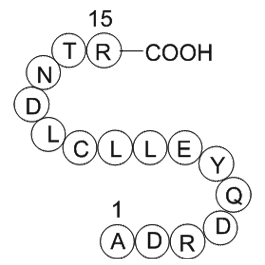
Conclusion Conflicts of interest Introduction RNA interference is a specific post-transcriptional gene silencing mechanism within a cell via the transfection of microRNAs (miRNA), exogenous small interfering RNAs (siRNA) or small hairpin RNAs (shRNA) [1–3]. Transfection of shRNA can be done
-
hydrobromide Furthermore new strategies to achieve a
2024-04-30
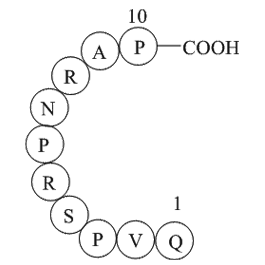
Furthermore, new strategies to achieve a total androgen deprivation namely by blocking either androgen biosynthesis as well as AR are being considered and should be a relevant topic in the near future. A successful example of this approach is galeterone (159), which not only inhibits the CYP17 enzym
-
br Exocytosis of GLUT by autophagy br Conclusion br Conflict
2024-04-30
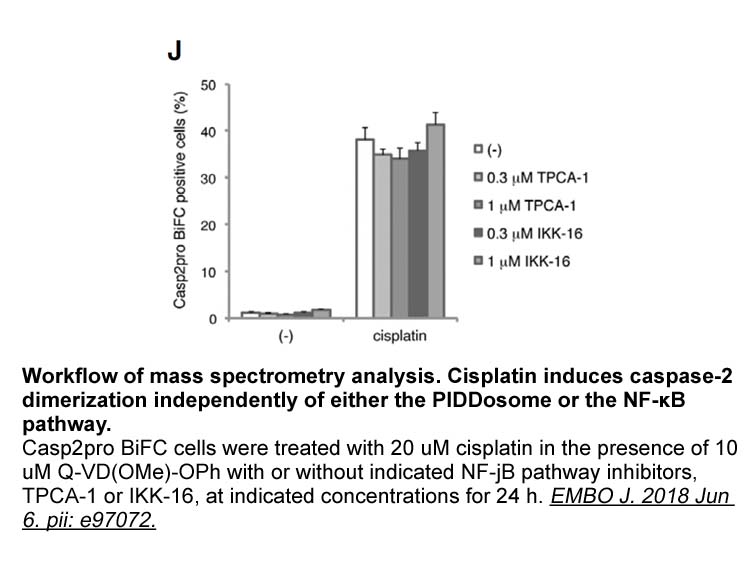
Exocytosis of GLUT4 by autophagy Conclusion Conflict of interest Ethics statement Antigen processing and presentation Adaptive immune response has to be instructed to identify and eliminate specific pathogens or foreign entities defined by their antigenic determinants. Processed antig
-
It has been shown that
2024-04-30
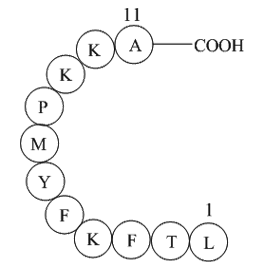
It has been shown that ACLY is localized to not only the cytoplasm but also the nucleus. Nuclear ACLY may supply acetyl-CoA for histone acetylation, leading to global regulation of the gene expression [16], [18]. We previously reported that AZ2 is also localized to both the cytoplasm and nucleus whe
-
br Acknowledgements This work was supported by the Victorian
2024-04-30
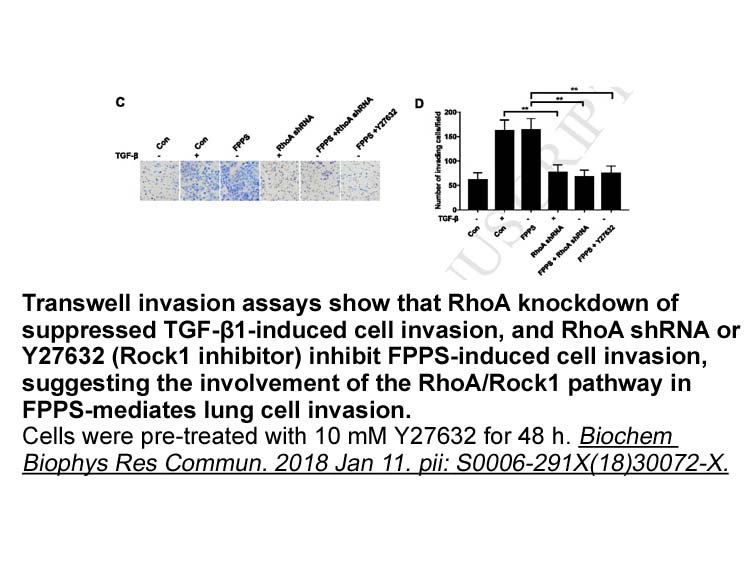
Acknowledgements This work was supported by the Victorian Government Operational Infrastructure Support Program. KAB is supported by the Mavis Robertson Fellowship from the National Breast Cancer Foundation (NBCF; ECF-16-004), by an NBCF Novel Concept Award (NC-14-011), and by NHMRC project grant
-
CC-10004 The habit of prescribing antibiotics just in case t
2024-04-30
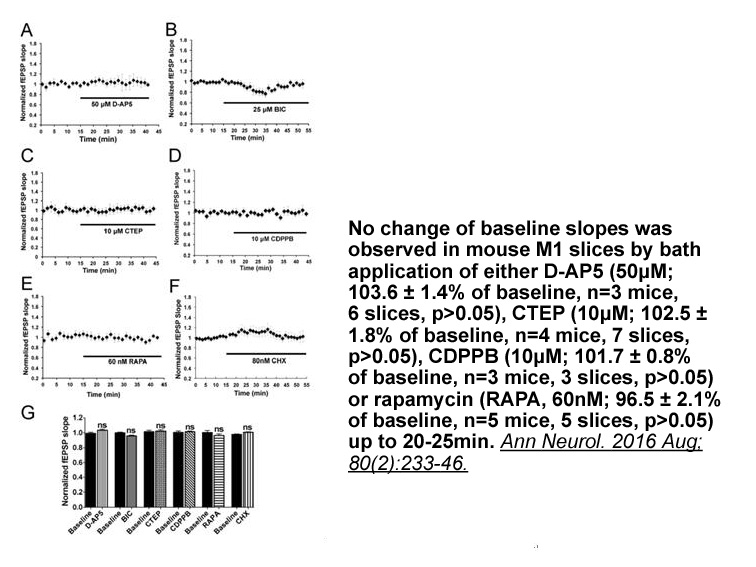
The habit of prescribing CC-10004 “just-in-case” there is an infection is based on the misguided perception that antibiotics are “safe” drugs and therefore pose little risk to patients. Surgeons need to dispel this myth. In the outpatient setting, antibiotic-associated ADEs account for 19% of all e
-
Both AD and dyslipidemias are global
2024-04-29

Both AD and dyslipidemias are global public health problems, and an increase in their incidence over the next decades is expected. Among many triggering elements, the increase in life expectancy is one of the main risk factors associated with the increase in the incidence of AD. Meanwhile, dyslipide
-
Cancers that responded to immune checkpoint inhibitors were
2024-04-29

Cancers that responded to immune checkpoint inhibitors were shown to present a type I interferon (IFN) signature in the TME 33, 34. Type I IFNs positively regulate the expression of tumor antigens and their crosspresentation by DCs to tumoricidal CTLs. Furthermore, CD8+ T cell develops full effector
-
Introduction Diabetic nephropathy is a rapidly growing cause
2024-04-29
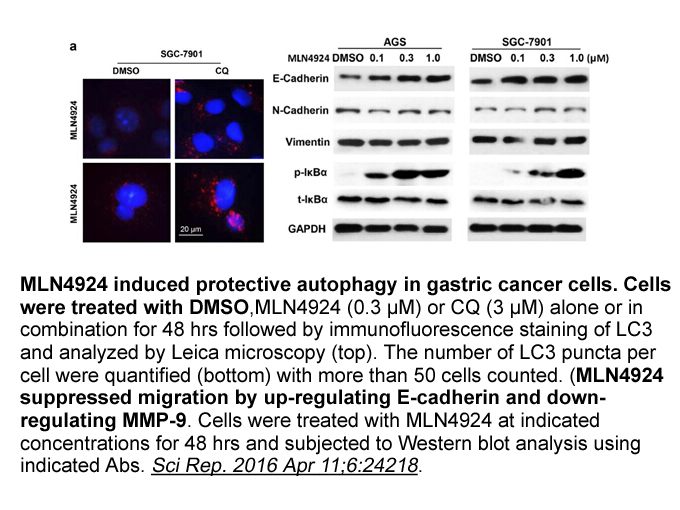
Introduction Diabetic nephropathy is a rapidly growing cause of end-stage renal disease [1]. Glomerular, tubular and vascular toxicity resulting from hyperglycemia (glucotoxicity) have been evaluated extensively at the molecular level as contributing factors for diabetic nephropathy [[1], [2], [3]]
-
Previously we described that cadmium induces a
2024-04-29

Previously, we described that cadmium induces a more pronounced, but not selective, cell death on primary cholinergic neurons from basal forebrain (Del Pino et al., 2014). Degeneration of septal cholinergic neurons from basal forebrain, as happens in AD, results in memory deficits (Scheiderer et al.
-
br The Molecular Machinery of Autophagy and
2024-04-29
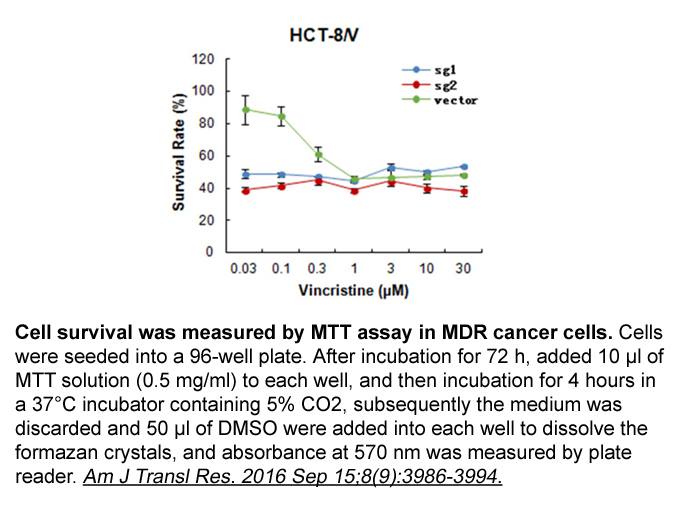
The Molecular Machinery of Autophagy and Regulation by Sphingolipids Sphingolipid-Mediated Autophagy in Cancer: Dr. Jekyll and Mr. Hyde Autophagy is an evolutionarily conserved stress response that typically promotes survival and antagonizes apoptosis. However, excessive autophagy was found to
-
Secondly leptin has been shown
2024-04-29
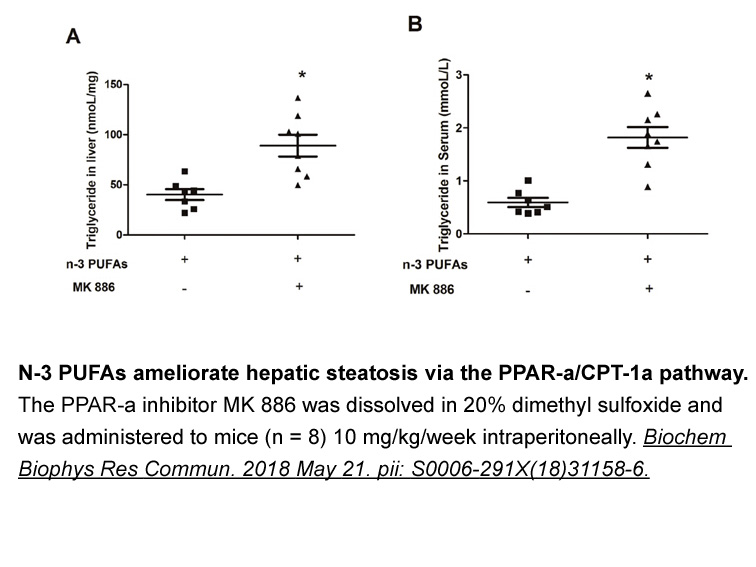
Secondly, leptin has been shown to enhance aromatase mRNA expression, aromatase content and its enzymatic activity in epithelial breast cancer (±)-Nutlin-3 by inducing promoters II and I.3 via an enhanced binding of transcription activator protein 1 (AP-1) complex to specific DNA sites in the promo
-
br Author contribution br Acknowledgement br Introduction
2024-04-29
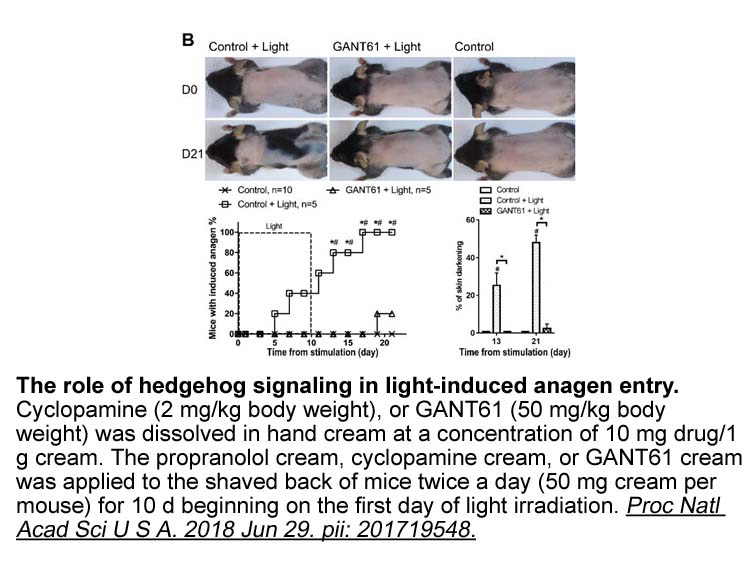
Author contribution Acknowledgement Introduction Since the initial finding of Gould et al. [1], showing the loss of dendritic spines in the hippocampus after ovariectomy and its rescue after treatment of the animals with estradiol, a tremendous number of studies have demonstrated a role of
-
Plant defensins Vriens et al and linear AMPs Domingues
2024-04-28
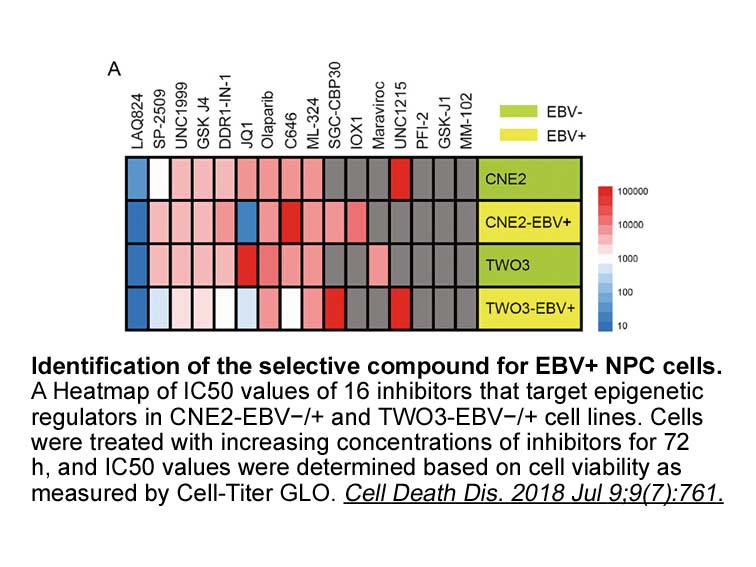
Plant defensins (Vriens et al., 2014) and linear AMPs (Domingues et al., 2015, Liu et al., 2008) have been shown to present several modes of action. Among these different mechanisms, permeabilization of the fungal membrane has been described as a secondary effect of plant defensin action (Vriens et
-
Calcium entry through postsynaptic NMDARs activates intracel
2024-04-28
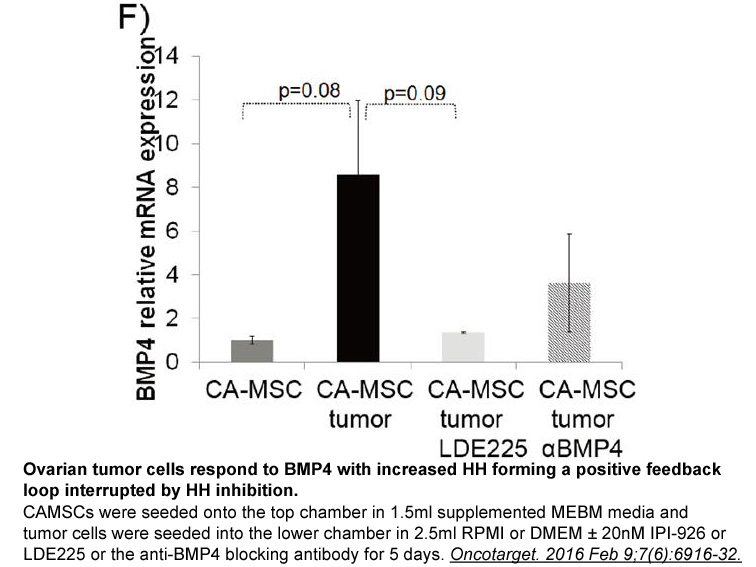
Calcium entry through postsynaptic NMDARs activates intracellular signaling cascades including Ca2+/calmodulin (CaM)-dependent protein kinase II (CaMKII) and calcineurin. The spatiotemporal abundance of this Ca2+/CaM complex determines the direction of synaptic plasticity, resulting in LTP (Malinow
8398 records 191/560 page Previous Next First page 上5页 191192193194195 下5页 Last page