Archives
- 2026-08
- 2026-07
- 2026-06
- 2026-05
- 2026-04
- 2026-03
- 2026-02
- 2026-01
- 2025-12
- 2025-11
- 2025-10
- 2025-09
- 2025-03
- 2025-02
- 2025-01
- 2024-12
- 2024-11
- 2024-10
- 2024-09
- 2024-08
- 2024-07
- 2024-06
- 2024-05
- 2024-04
- 2024-03
- 2024-02
- 2024-01
- 2023-12
- 2023-11
- 2023-10
- 2023-09
- 2023-08
- 2023-07
- 2023-06
- 2023-05
- 2023-04
- 2023-03
- 2023-02
- 2023-01
- 2022-12
- 2022-11
- 2022-10
- 2022-09
- 2022-08
- 2022-07
- 2022-06
- 2022-05
- 2022-04
- 2022-03
- 2022-02
- 2022-01
-
cyclin dependent kinase inhibitor To maintain ATP levels pos
2024-11-06
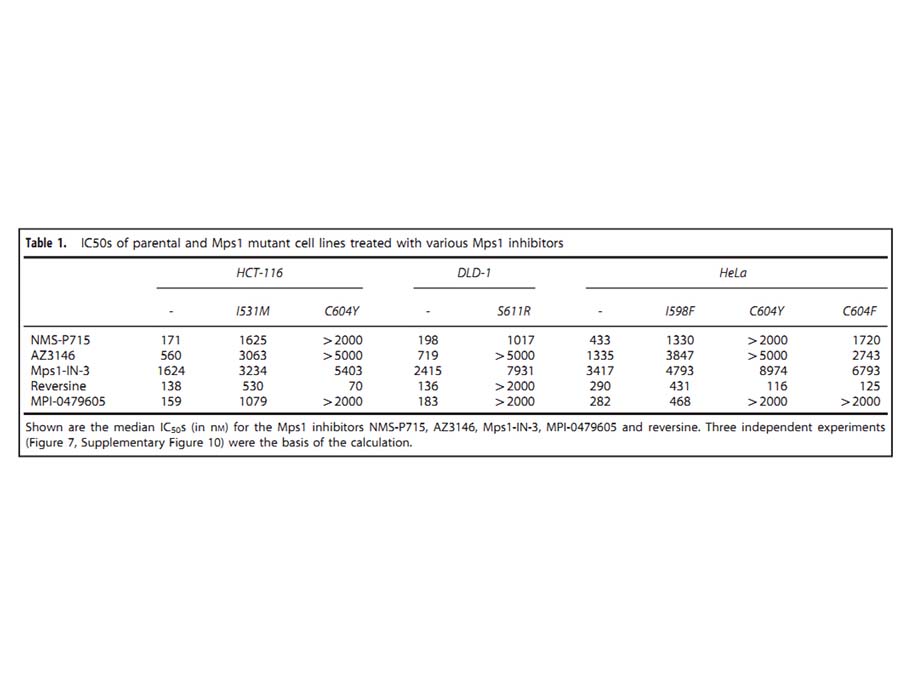
To maintain ATP levels, postmortem muscle mobilizes its glycogen reserves to yield cyclin dependent kinase inhibitor 6-phsphate that proceeds through glycolysis. Glycogen degradation was affected by the interaction between treatment and time (Pinitiation of the experiment. We expected that if myos
-
br Introduction Rhamdia quelen jundi Silurifomes Heptapterid
2024-11-06
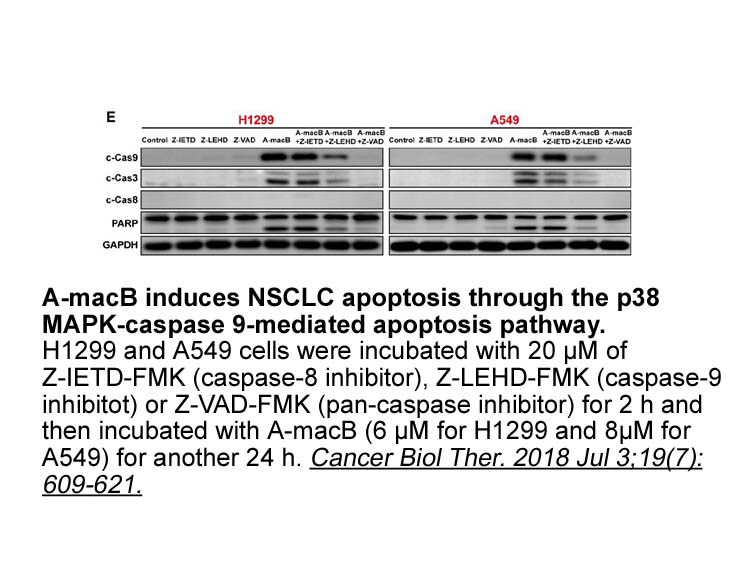
Introduction Rhamdia quelen (jundiá, Silurifomes, Heptapteridae) is a neotropical catfish widely distributed in Central and South America (Silfvergrip, 1996). This species shows high potential for the aquaculture industry, due to an elevated growth rate, good carcass yield, and easy reproduction
-
Apelin is a bioactive peptide and endogenous ligand
2024-11-06
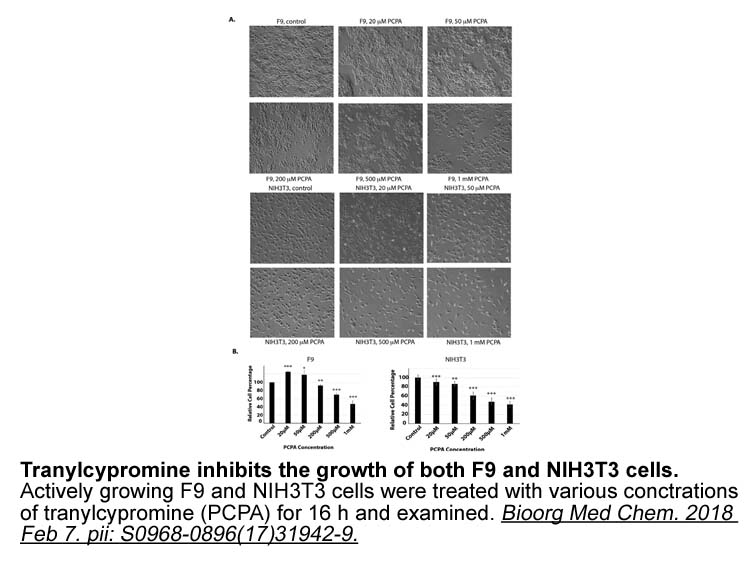
Apelin is a bioactive peptide and endogenous ligand for the APJ receptor (APLNR), a member of the G protein coupled receptor family that shares a similar sequence as the angiotensin type-1 receptor (AT1) [5]. Early studies demonstrated that the apelin/APLNR receptor axis plays a significant role in
-
Since at least prospective cohort
2024-11-06

Since 2005, at least 14 prospective cohort studies have been conducted to clarify inconsistencies in the field, ten of which suggested a direct correlation between antibiotic use and atopy or wheezing later in life [51–60], three found no association [61–63], and one found positive association only
-
br Acknowledgements br Introduction The angiogenic
2024-11-06
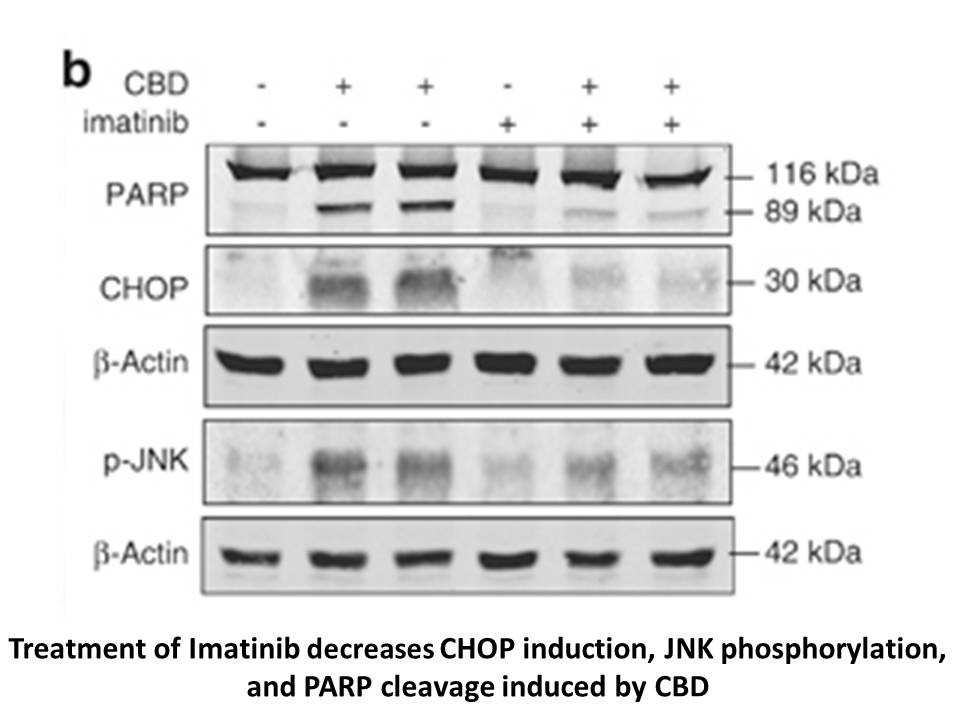
Acknowledgements Introduction The angiogenic ocular conditions represent the most common cause of blindness in developed countries [1]. It can affect all ages, for example, retinopathy of prematurity (ROP) in infants [2], [3], diabetic retinopathy (DR) [4] in working age adults and age-related
-
Another class of AMPK regulator is peptidyl prolyl cis
2024-11-05

Another class of AMPK regulator is peptidyl-prolyl cis/trans isomerase (PPIase) NIMA-interacting 1 (Pin1), which binds to a number of proteins and regulates oncogenesis and metabolic diseases (Khanal et al., 2013; Zhou and Lu, 2016). Pin1 has been shown to bind to and inhibit AMPK; therefore, at lea
-
pdgfr inhibitor br Results br Discussion Cardiac dysfunction
2024-11-05
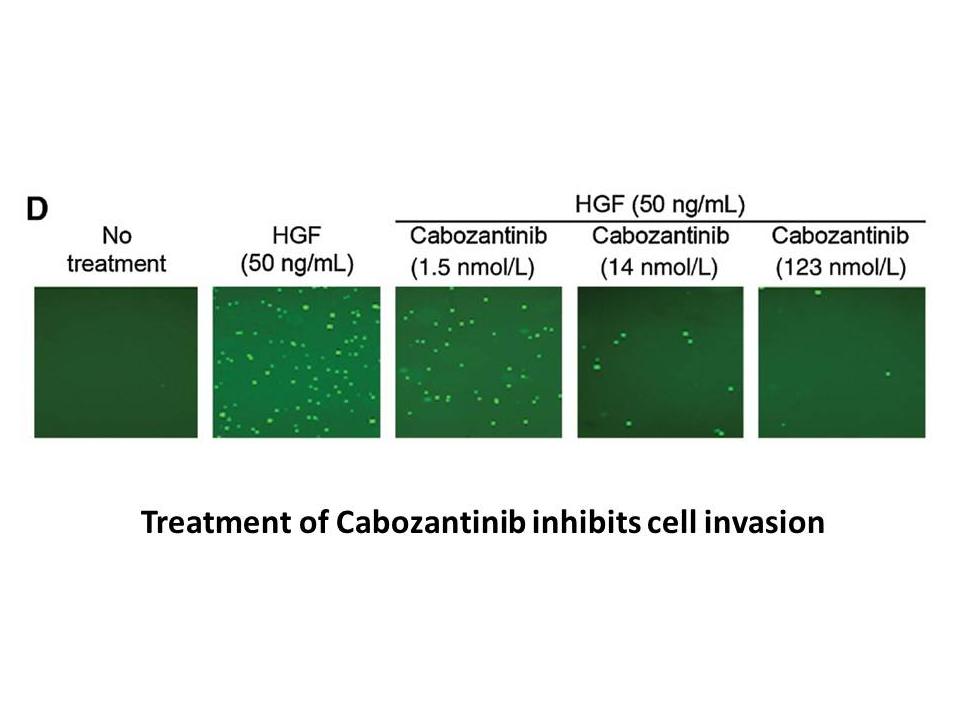
Results Discussion Cardiac dysfunction, common complication of severe sepsis, is one cause of death in intensive care units. Accumulated evidence revealed the regulatory effect of autophagy on sepsis-induced cardiac dysfunction [15], [22], although the mechanisms in young and aging are not elu
-
Platelet derived growth factor PDGF and ciliary neurotrophic
2024-11-05
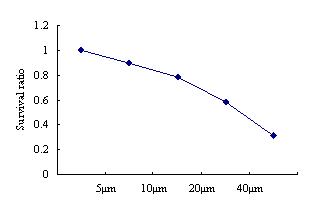
Platelet-derived growth factor (PDGF) and ciliary neurotrophic factor (CNTF) are expressed by glial nourseothricin and are important to neuron survival and the maintenance of oligodendrocytes. These neurotrophic factors contribute to the remyelination process by increasing the proliferation of olig
-
br Depletion of serum amino acids Currently the only antican
2024-11-05

Depletion of serum amino acids Currently, the only anticancer agents that directly target amino AGK7 metabolism are bacterial l-asparaginases (from Escherichia coli and Erwinia chrysanthemi), which are FDA-approved for treatment of pediatric and adult ALL. A potential complication of using bacte
-
br Conflict of interest br Acknowledgements
2024-11-05

Conflict of interest Acknowledgements The authors would like to thank Mrs. Amparo Pacheco from CMPL, PUC, for her technical and secretarial assistance. This work was supported by the Fondo Nacional de Desarrollo Científico y Tecnológico (FONDECYT 1150344, 1050377, 11150083), and the Direccioń
-
br Conflict of interest br Ethics
2024-11-05
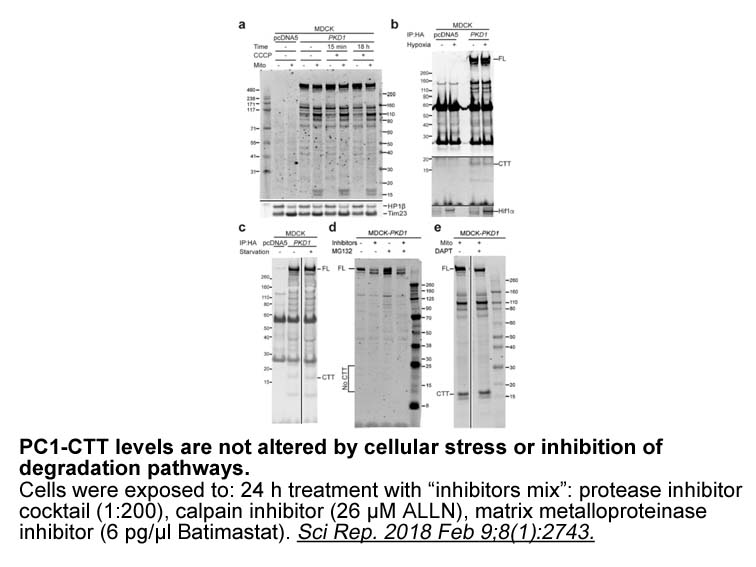
Conflict of interest Ethics committee Introduction Severe combined immunodeficiency due to adenosine deaminase deficiency (ADA-SCID) is characterized by impaired function and differentiation of T, B, and natural killer (NK) cells. Non-immunological abnormalities may also occur, including fa
-
To reconstruct the amino acid sequence
2024-11-05
To reconstruct the amino 822 sequence of an ancestral β subunit a molecular phylogeny is required, which is inferred from a β subunit sequence alignment. To build this alignment we searched the NCBI database for proteins similar in sequence to the human muscle-type β subunit precursor protein, whic
-
Caffeic acid dihydroxycinnamic acid is
2024-11-05
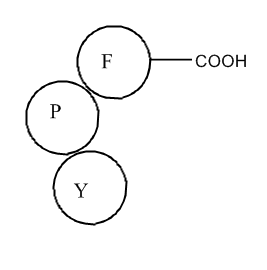
Caffeic Aminoallyl-UTP synthesis (3,4-dihydroxycinnamic acid) is a natural compound that inhibits 5-LO and exerts potent anti-inflammatory and antioxidant properties. Recently, Takeda et al. reported that caffeic acid provided neuroprotective and anti-depressive activities [23]. Sertraline, a selec
-
In addition to drawing attention to Ser
2024-11-05
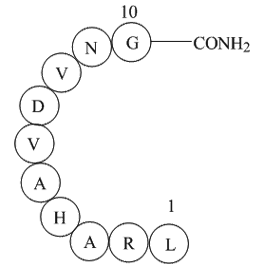
In addition to drawing attention to Ser454 of ACL as a phosphosite that is regulated by both BDK and PPM1K, our phospho-proteomics screen identified several additional sites in other proteins. For example, Ser25, Ser29, and Ser79 of the lipogenic enzyme acetyl-coA carboxylase 1 (ACC1) were found to
-
These anatomical studies were followed by the first function
2024-11-04
These anatomical studies were followed by the first functional MRI studies of auditory processing in songbirds that were performed in starlings (Van Meir et al., 2005; De Groof et al., 2017; De Groof et al., 2013b) and in zebra finches (Boumans et al., 2008a; Boumans et al., 2007; Boumans et al., 2
8313 records 87/555 page Previous Next First page 上5页 8687888990 下5页 Last page